3 hr 30 min
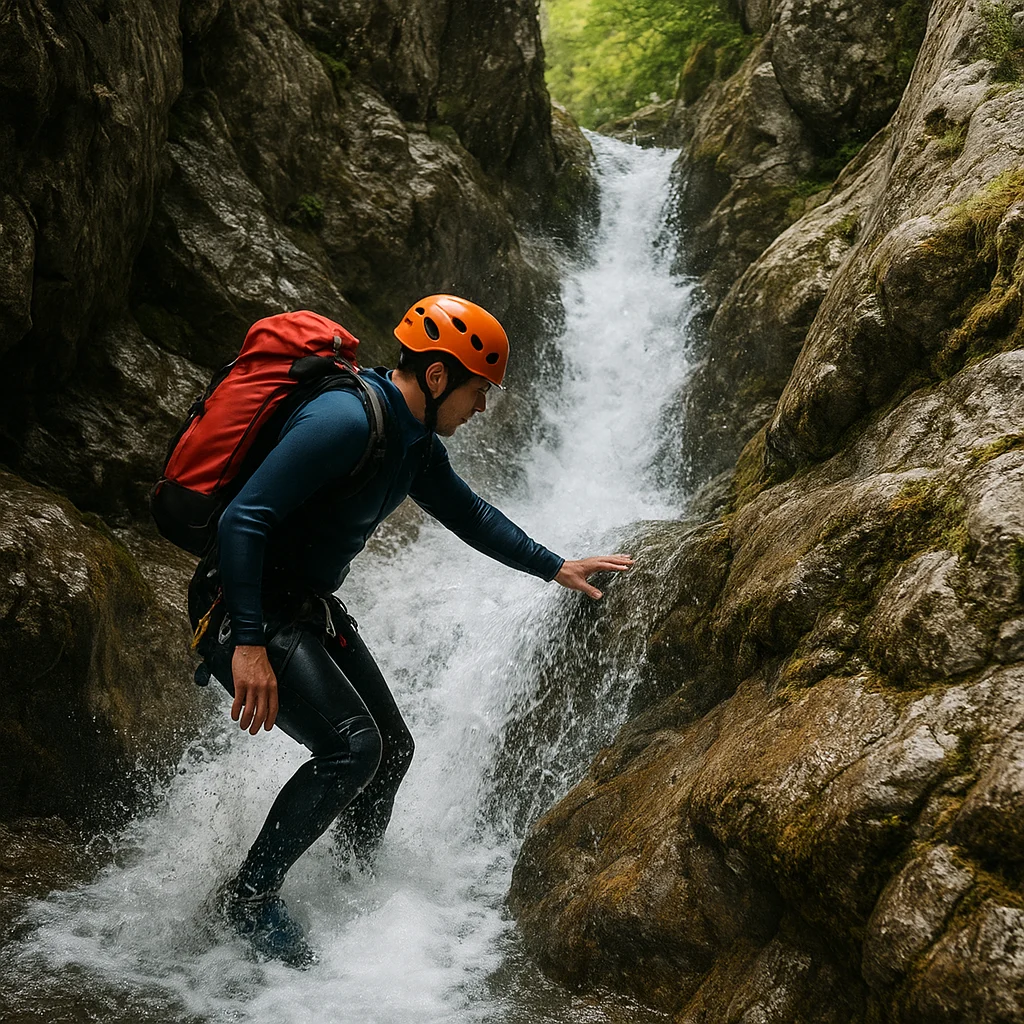
Barranco del Furco Canyoning Adventure from Broto
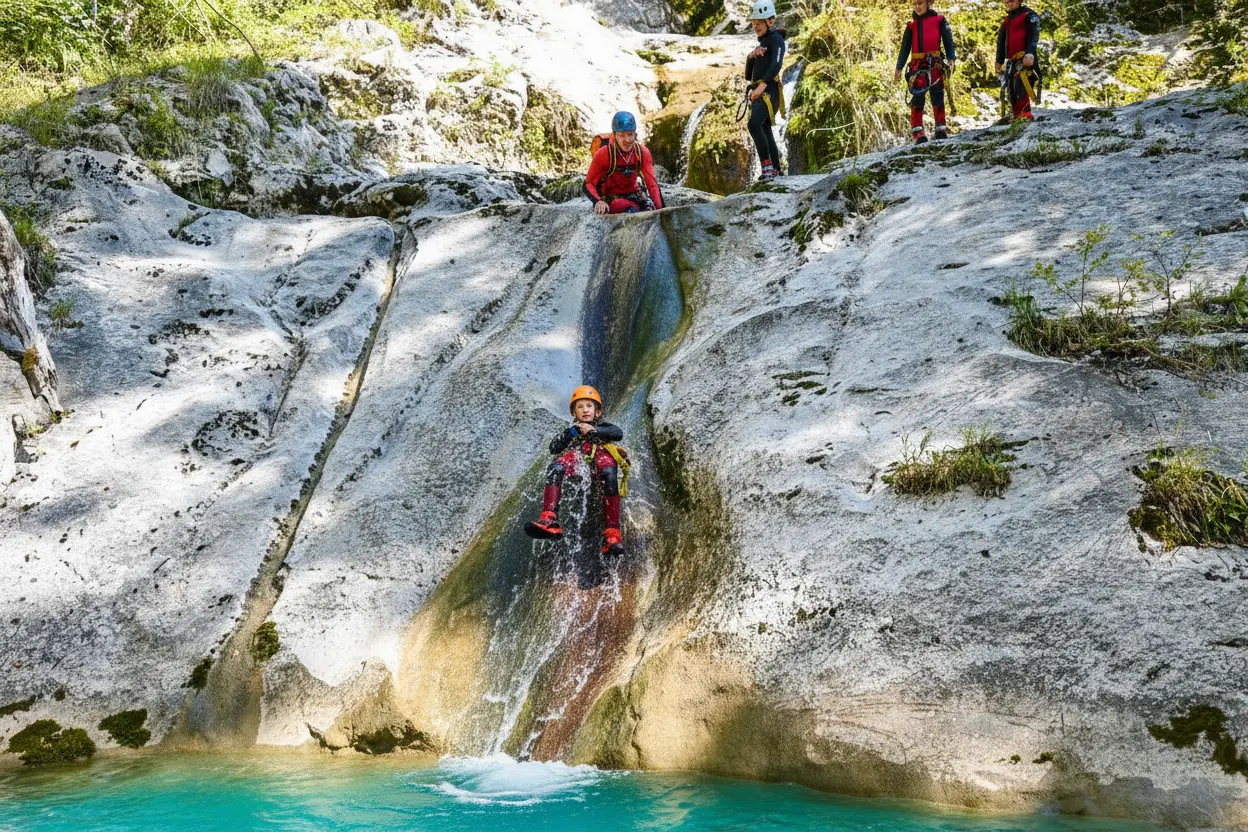
Beginner-friendly canyon descent in the Pyrenees with rappels, slides, and optional jumps near Ordesa
Reserve
Rappel through limestone slots, swim glacial pools beneath the peaks
Hand-picked by our editors — only the best 12 operators from 47 reviewed
Verified partners for Canyoning Pyrenees tours, free cancellation where available, and instant confirmation on every booking.
3 hr 30 min
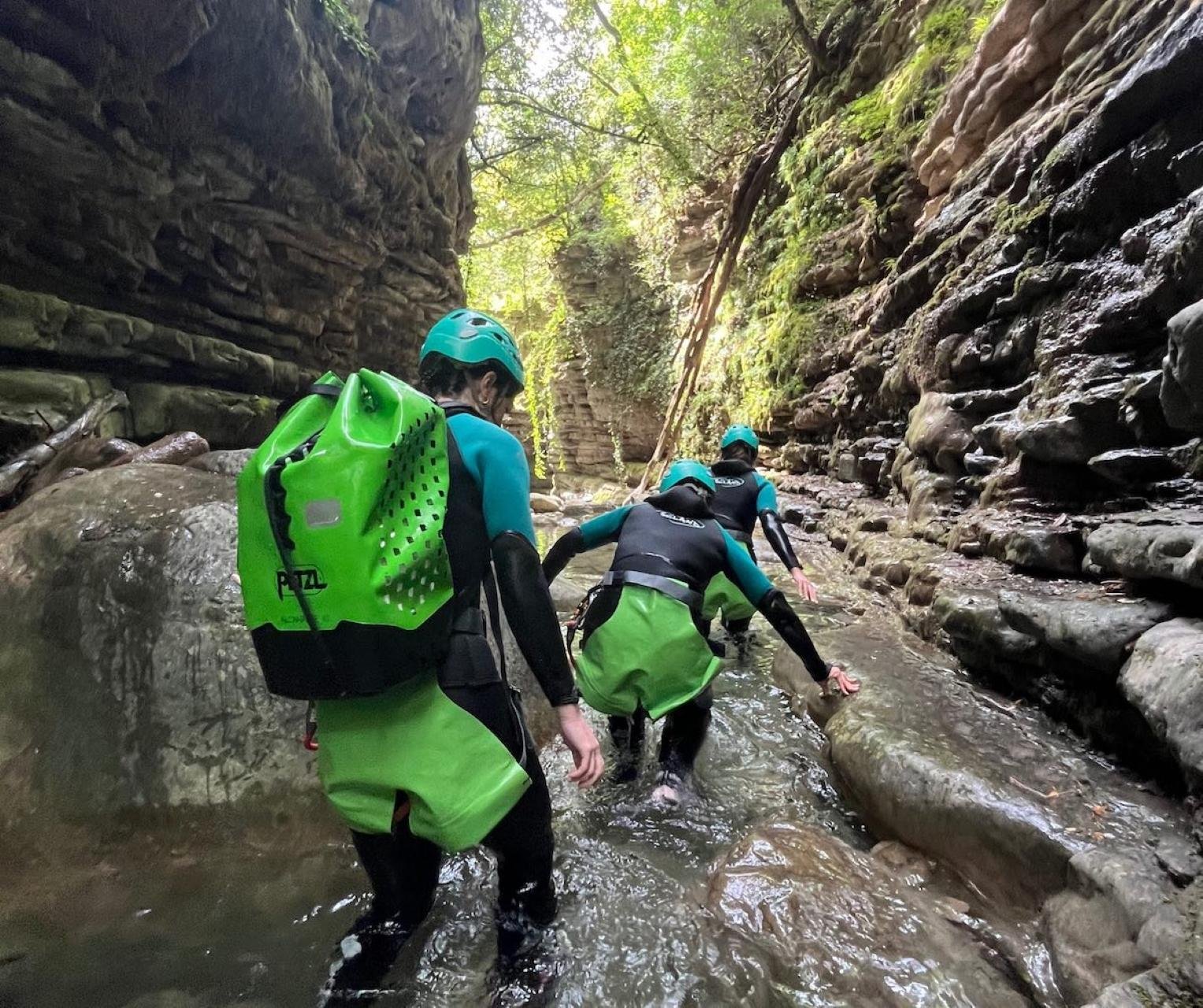
Beginner-friendly canyon descent in the Pyrenees with rappels, slides, and optional jumps near Ordesa
Reserve
4 hr
Descend through Pyrenean pools and slides, finishing with a thrilling 30-meter waterfall rappel
Reserve
2 hr 30 min
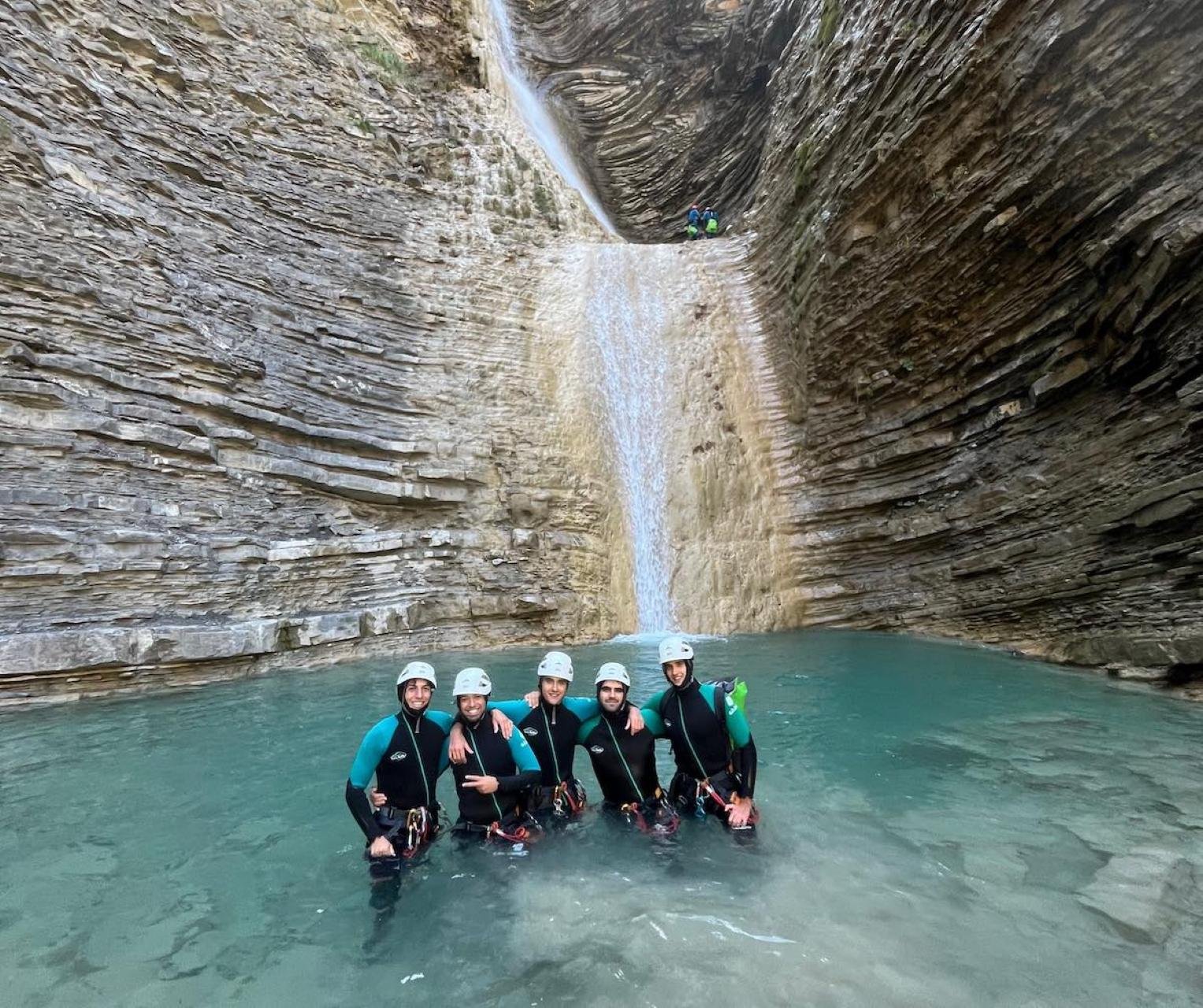
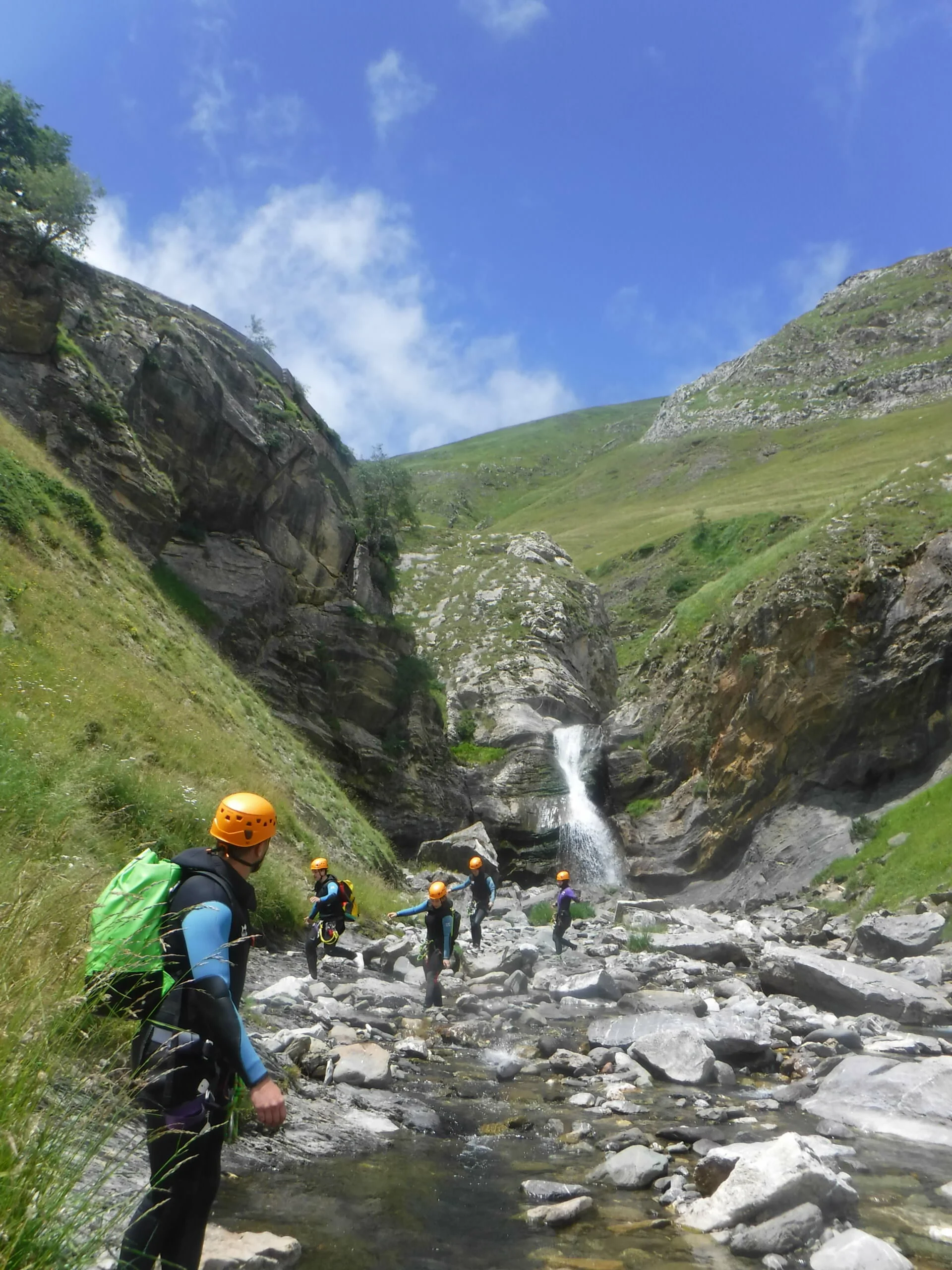
Navigate ravines, rappel down cliffs, and swim through natural pools in the Pyrenean wilderness.
ReservePrices from verified partners. Availability updates in real time at checkout. Free cancellation policies apply where shown.
Every Canyoning Pyrenees tour side-by-side — duration, what's included, how you redeem.
| Experience | From | Duration | Rating | Small group | Free cancel. | Price | |
|---|---|---|---|---|---|---|---|
|
Standard Entry Most popular
Barranco del Furco Canyoning Adventure from Broto
|
Broto | 3 hr 30 min | ★ 4.7 | ✓ | ✓ | €62 | Book → |
|
Standard Entry
Os Lucas Gorge Beginner Canyoning with Waterfall Rappel
|
— | 4 hr | ★ 5.0 | ✓ | ✓ | $72 | Book → |
|
Standard Entry
Pallars Sobirà Canyon Adventure
|
— | 2 hr 30 min | ★ 4.7 | — | ✓ | €49 | Book → |
All prices from verified partners. Availability and exact terms confirmed at checkout.
Canyoning offers an immersive aquatic experience through riverbeds, while via ferrata provides a dry, vertical ascent along cliff faces; both reveal different sides of the mountain range.
| Feature | Top pick Canyoning Pyrenees | Via Ferrata |
|---|---|---|
Primary objective |
Navigating watercourses and falls | |
Gear requirements |
Wetsuit, harness, helmet, rope | |
Skill level required |
Moderate technical skills needed | |
Physical demand |
High, involves swimming and rappelling | |
Water exposure |
High, constant contact | |
Best suited for |
Thrill seekers wanting canyoning pyrenees tours | |
| See tickets → |
Verdict: Choose the aquatic descent for adrenaline-fueled water interaction or select via ferrata to secure canyoning pyrenees tickets for dry, panoramic climbing experiences.
Choose your ticket, select your date, and reserve in under two minutes. Secure checkout handled by our verified partner.
Instant confirmation by email, with a mobile voucher you can save offline. No printing, no queuing at a collection desk.
Arrive at the entrance, show your voucher on your phone, and walk in. Most tickets include priority or skip-the-line access.
Practical details for Canyoning Pyrenees tickets straight from our verified partners — hours, access, rules, and how to get there.
A-135 Road
Main access point for central Pyrenees routes
Open in Google MapsThe primary way to reach canyoning pyrenees sites is via private vehicle through the mountain passes.
Participants must wear a technical wetsuit, neoprene socks, and a climbing harness for canyoning pyrenees activities. Sturdy, closed-toe mountain boots with good ankle support are required.
Use a specialized waterproof canyoning bag to protect equipment and personal effects from water damage. Secure all loose items, as the river currents in the Pyrenees are dynamic and unpredictable.
Waterproof cameras or action cameras with secure chest or helmet mounts are recommended for capturing canyoning pyrenees expeditions. Ensure all equipment is tethered to prevent loss in deep pools.
Canyoning in the Pyrenees involves navigating slippery riverbeds and vertical descents that require significant physical mobility. It is not suitable for individuals with limited lower-body range of motion.
Mobile signal is inconsistent in deep gorges; download offline maps before reaching your canyoning pyrenees starting point. A dedicated waterproof dry-bag for your phone is essential.
Children must meet specific height and weight requirements determined by individual guide services for canyoning pyrenees safety. Supervision by certified professionals is mandatory for all minors.
Bring high-energy snacks like nuts or energy bars that remain edible after being submerged in water. Hydration bladders are preferred for canyoning pyrenees trips as they remain accessible during technical sections.
Pets are strictly prohibited due to the technical nature of the rappelling and swimming sections in these canyons. Managing an animal in high-flow water environments poses safety risks.
Always consult a local weather station before entering canyoning pyrenees environments to avoid flash floods. Professional guides carry ropes and first aid kits essential for technical descents.
Best time to go, insider tips, nearby landmarks, and the cancellation fine print — flip through to skim what matters to you.
How crowds, weather, and events shift across the year.
High water levels provide powerful flows for experienced canyoners.
Warm temperatures make canyoning pyrenees trips more comfortable for swimming sections.
Stable weather and fewer crowds characterize these autumn canyoning pyrenees tours.
Early autumn offers clear water, though temperatures require thicker wetsuits.
Small details that turn a good visit into a great one.
Always assume your gear will be submerged; use double-dry-bag systems for valuables.
Remember that access to natural canyons is 0 EUR, but parking areas may have local fees.
Never separate from your group during technical sections or when navigating rappels.
Monitor river levels closely as meltwater can increase flow velocity significantly.
Trust local expertise when they identify potential rockfall zones or unsafe water sections.
Non-bookable sights within a short walk — free to visit, easy to pair.
UNESCO heritage site featuring dramatic glacial valleys and limestone peaks.
The third-highest mountain in the Pyrenees, known for its massive limestone massif.
A spectacular waterfall located in a natural cirque, accessible via hiking trails.
A scenic area perfect for post-canyon walks with views of Romanesque bridges.
Flexible, no hidden fees.
Professional guide bookings typically allow cancellations up to 48 hours before the trip for a full refund. Access to natural canyons is 0 EUR and remains open to the public regardless of agency policies.
Hand-picked options within walking distance — pick a district for vibe, or a specific hotel for convenience.
Family-friendly hotel in Torla near the canyons.
Centralized hostel options for active groups.
Upscale cabins located in the heart of the range.
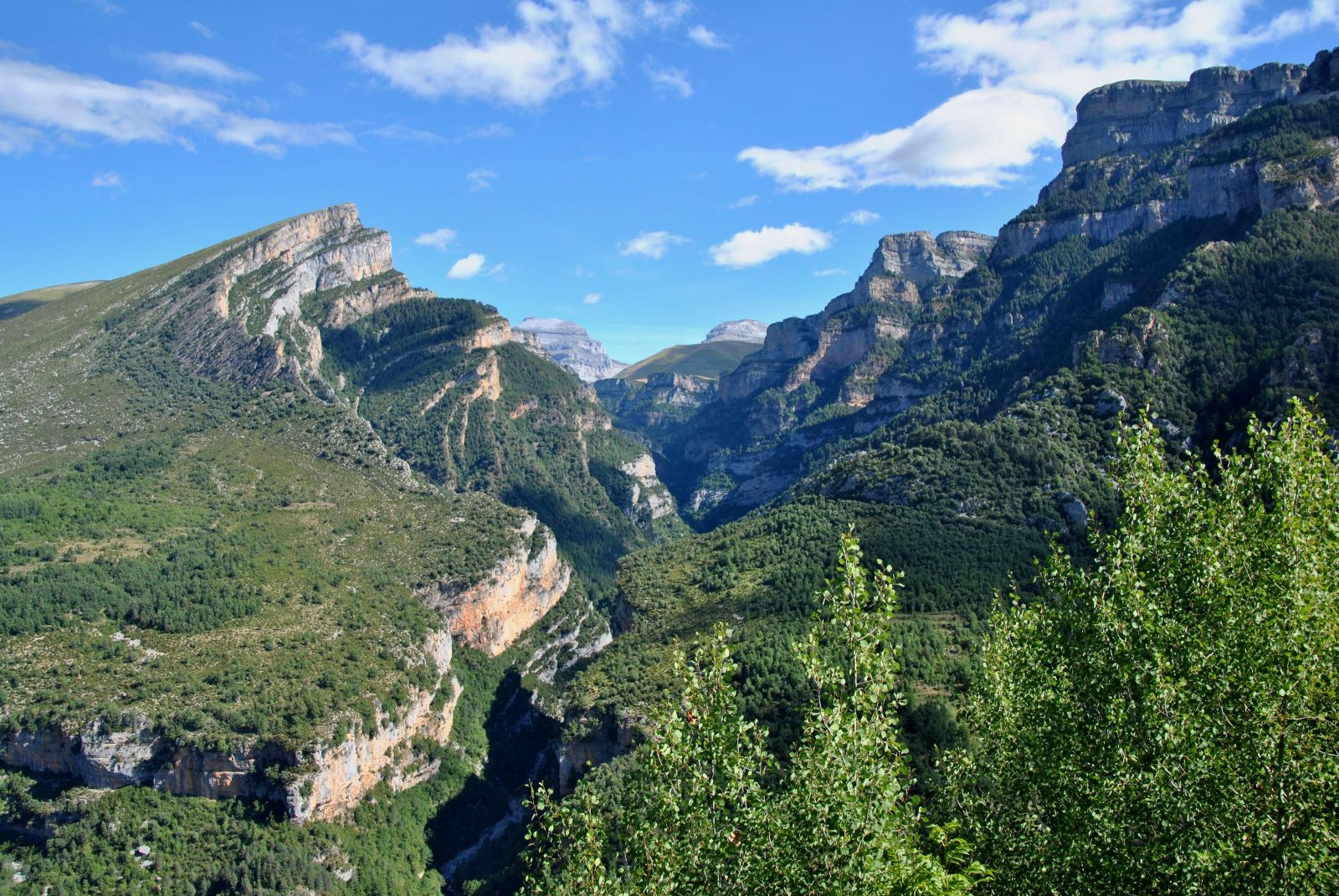
Access to the Pyrenees' 400-plus named canyons is free; what varies is the technical skill required to descend them safely. The range straddles the Spain-France border for 491 kilometres, its limestone and granite gorges carved by millennia of glacial melt and seasonal runoff.
Canyoning as a codified sport emerged here in the 1970s, when French speleologists adapted rope techniques from cave exploration to navigate vertical watercourses. Today the Pyrenees anchor the European canyoning calendar, drawing practitioners from April through October when snowmelt sustains flow without rendering descents impassable.
The Pyrenees Atlantiques on the western flank and the Pyrenees Orientales to the east concentrate the majority of accessible routes. In Spain, the Ordesa y Monte Perdido National Park and the Aigüestortes i Estany de Sant Maurici shelter technical canyons that require rappels exceeding 30 metres. France's Gave de Pau watershed offers family-friendly gorges with shallow jumps and natural slides, while the Ariège department holds advanced circuits where rope work and anchor management are non-negotiable. The range's geology dictates the character of each descent: limestone canyons in the central massif feature polished chutes and sculpted potholes, whereas granite gorges in the east present angular walls and colder water.
Canyoning Pyrenees Spain routes—particularly those near Benasque and the Ordesa valley—demand multi-pitch rappelling and cold-water tolerance; summer water temperatures hover between 8 and 12 degrees Celsius. Canyoning Pyrenees France circuits, notably around Cauterets and Luz-Saint-Sauveur, balance technical challenge with shorter approach hikes, making them entry points for intermediate descenders. The Pyrenees Espagnoles side sees fewer crowds but requires self-sufficiency; rescue infrastructure is sparse beyond park boundaries. Outfitters operating in both countries typically hold UIAGM or AEGM certification and provide wetsuits, helmets, and harnesses rated to CE standards.
Seasonal timing determines both safety and flow volume. Early-season descents in May and June encounter maximum water volume, turning moderate canyons into advanced undertakings. Late summer—August through mid-September—yields lower flows and warmer air, though afternoon thunderstorms remain a fixture in the high valleys. The Pyrenees Orientales district, benefiting from Mediterranean influence, extends the season into early October. Navigation requires topographic maps scaled at 1:25,000; many canyons lack fixed anchors, so descenders carry their own webbing and rappel rings. The range's reputation rests on variety: a single valley may contain a two-hour family descent and a five-hour technical route requiring roped swimming and traverse lines across waterfall crests.

"The range's 400-plus canyons offer descents from two-hour family circuits to five-hour technical routes requiring roped swimming across waterfall crests."
A step-by-step walkthrough of Canyoning Pyrenees tickets — what you'll see, how long each stage takes, and the details that matter.
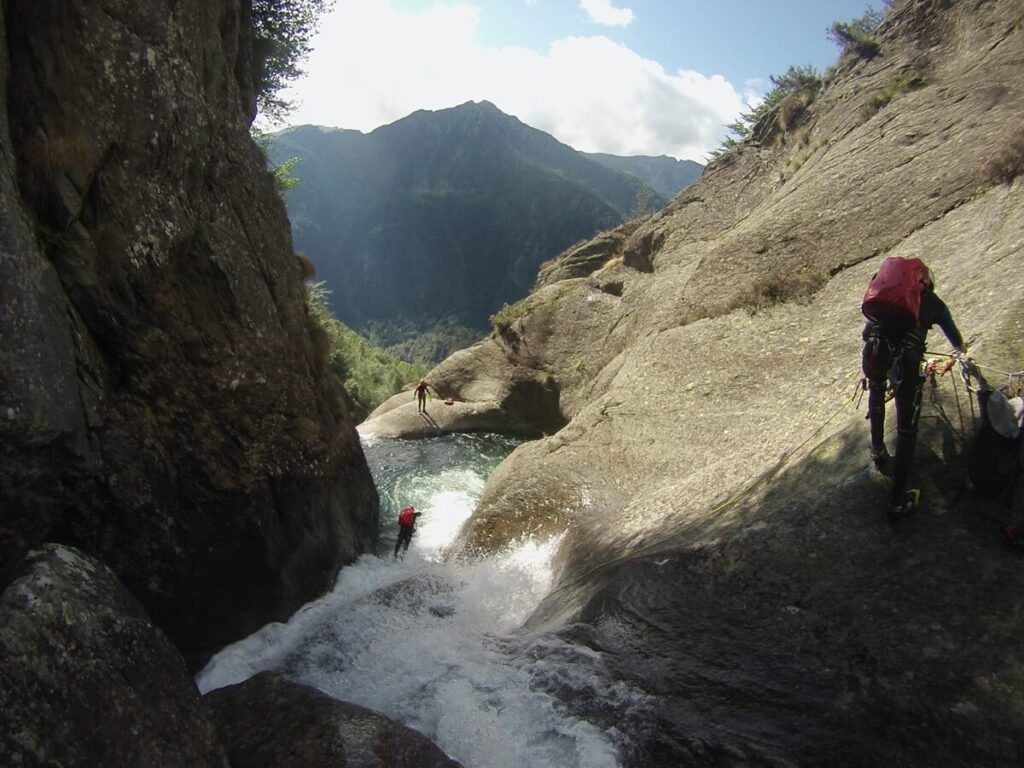
You meet your guide at the trailhead near the Gave de Pau at 09:00, as agreed. The group is six, all wearing 5mm wetsuits against the glacial chill. The approach hike climbs 200 vertical metres through beech forest, then drops into a limestone slot where the canyon narrows to three metres across.
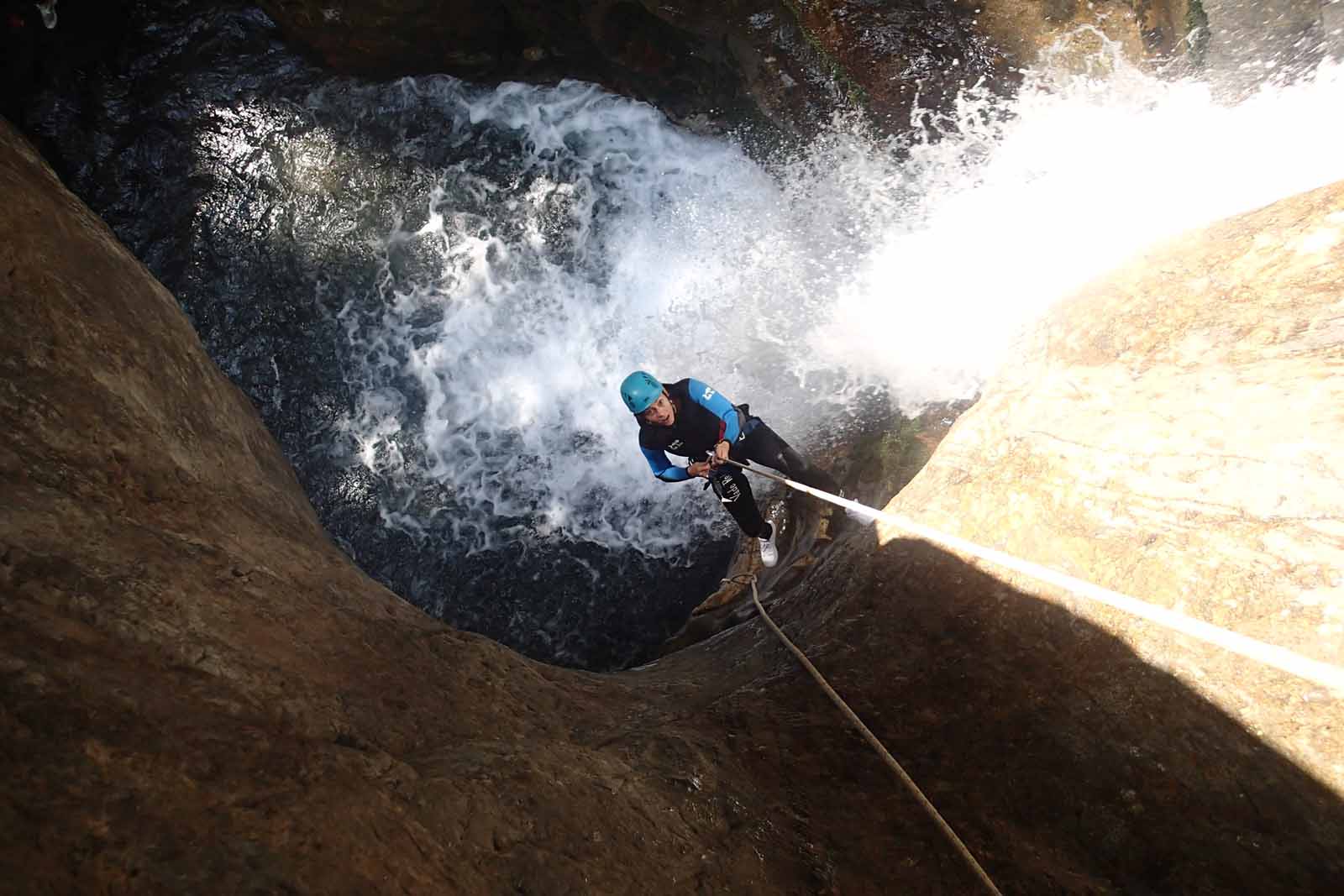
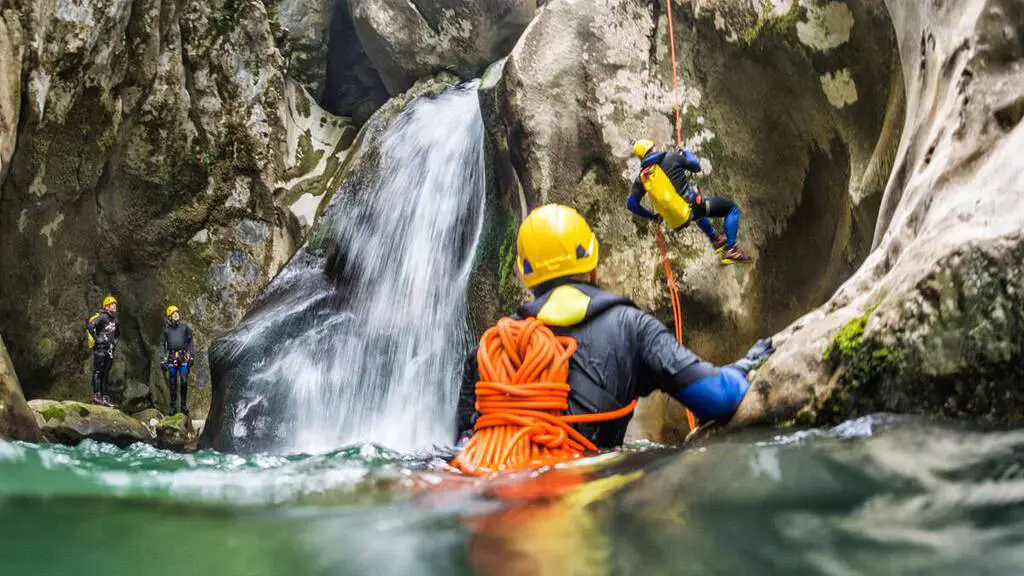
You clip into the first anchor—a steel ring drilled into the wall—and rappel 12 metres down a moss-slicked face, the rope running wet through your descender. At the base, the pool is emerald, fed by a thin curtain of snowmelt.
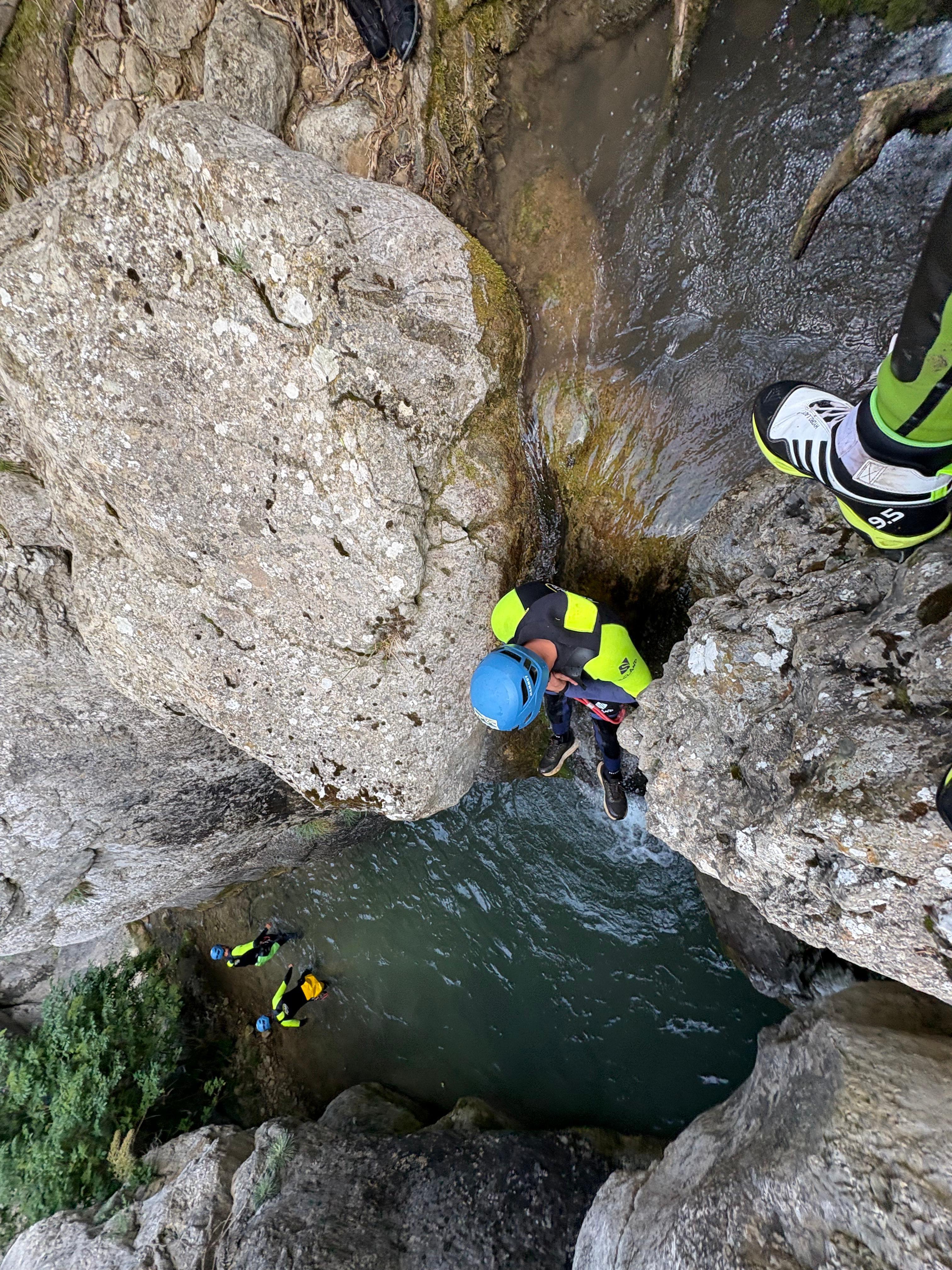
The canyon's character shifts every 50 metres. You slide down a natural chute carved smooth by centuries of runoff, then wade through a shallow section where the walls close overhead, blocking the sky. The guide calls a halt at a plunge pool beneath a 20-metre cascade. You jump from a ledge four metres up, tucking your knees to clear the rock shelf below. The water is cold enough to tighten your chest, and you surface gasping, adrenaline overriding the chill.
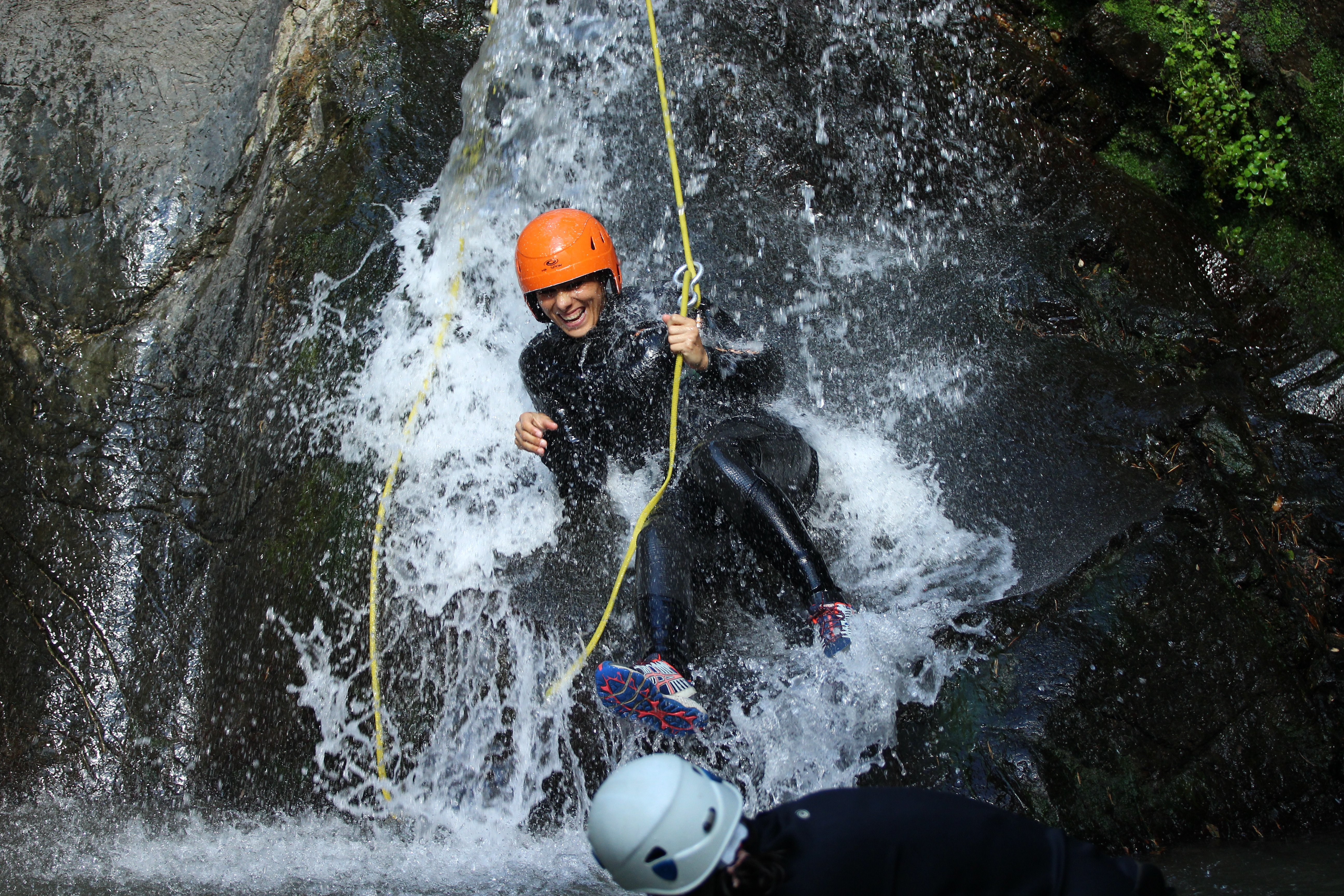
The final rappel descends 18 metres beside a waterfall that drenches your helmet and fills your ears with white noise. At the bottom, the canyon opens into a gravel beach where the group de-rigs and packs the ropes. The return hike takes 40 minutes, emerging at the road by 13:00. You strip the wetsuit in the van, skin pink and legs tired, already reviewing the sequence of drops and jumps in your mind.
The canyons are accessible from 09:00–19:00 daily.
Access to natural canyons is 0 EUR, though professional guiding services for canyoning pyrenees tours vary in price.
The best time is during the summer or early autumn months for favorable water and air temperatures.
Yes, if they meet the physical requirements for canyoning pyrenees tickets as defined by your guide service.
While personal gear is allowed, it must meet safety standards for technical canyoning pyrenees descent.
The best arrival window is 09:00–11:00 to avoid afternoon storms.
There are no formal locker facilities at canyoning pyrenees locations; keep items in your car or dry bags.
Weather dictates safety; heavy rain can cause closures for canyoning pyrenees, so check forecasts before departing.