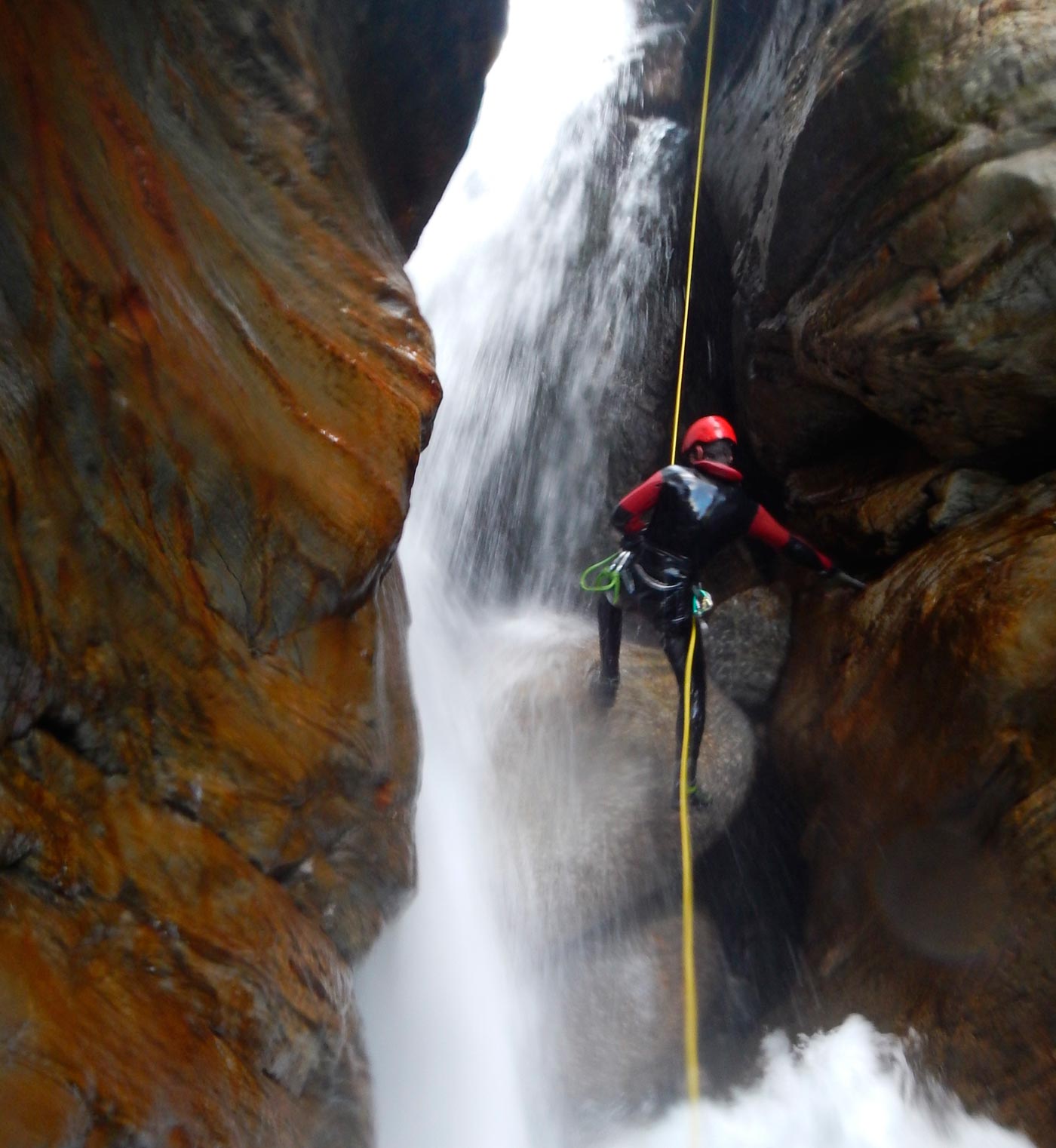
Gouffre d'Enfer
Focus on vertical orientation
Capture the narrow vertical walls where the rock creates a natural frame for rappelling subjects.

Photographing canyoning descents in the Pyrenees means working inside narrow limestone corridors where light arrives in shafts and water moves fast. This guide covers the lighting windows, camera protection standards, and specific gorges that deliver frame-worthy compositions.
Quick answer
The best canyoning pyrénées photos are captured between 09:00 and 12:00, when direct sunlight penetrates the narrow gorges and illuminates waterfalls and rock faces before afternoon storms reduce visibility. A waterproof housing rated IPX8 or higher is required for any camera descending into active water zones, and most professional guides recommend arrival at trailheads by 09:00 to secure optimal natural lighting.
The Pyrenees host more than sixty mapped canyoning routes, but fewer than a dozen offer the combination of accessible light, dramatic vertical relief, and safe shooting positions that define strong adventure photography. Most gorges cut through Jurassic limestone, creating corridors fifteen to thirty meters wide where sunlight reaches the canyon floor only during a three-to-four-hour morning window. Outside that span, photographers work in deep shadow or rely on artificial lighting that flattens the texture of wet rock and moving water. Capturing canyoning pyrénées photos requires equipment that survives full immersion. Standard splash-proof ratings fail during rappels through waterfall curtains or swim sections in turbulent pools. Housings rated IPX8 protect cameras to depths of three meters for thirty minutes, the minimum threshold for guided descents. Mirrorless bodies with fast autofocus perform better than action cameras in low-contrast environments where grey stone, white water, and green moss compress into a narrow tonal range. A polarizing filter cuts glare from wet surfaces and restores definition to cascade features, though it costs one to two stops of light in already-dim conditions. The most-photographed canyons—Escuaín, Barrosa, and Lézat—occupy different elevation bands and offer distinct lighting behaviors. Escuaín's upper section opens to the south, delivering long-angle morning light across sculpted potholes. Barrosa descends through a north-facing slot where indirect sky light dominates, requiring ISO settings above 1600 even at midday. Lézat's middle rappels pass beneath limestone overhangs that block direct sun entirely, forcing photographers to expose for the bright exit portal and accept silhouetted foreground figures. Each canyon demands a different metering strategy, and no single exposure profile works across an entire descent. Guided groups move at a pace set by the least experienced participant, which compresses the time available for composition and bracketing. Professional canyon photographers typically join private expeditions or technical training groups where the descent pauses at designated photo stations. Those stations are not arbitrary—they occupy ledges with secure footing, clear sightlines to rappel routes or jump zones, and backgrounds free of rescue rope clutter or gear caches. Shooting from within the flow of a descent, rather than from static observation points, requires advance route reconnaissance and clearance from the guiding company.
“Most gorges cut through Jurassic limestone, creating corridors where sunlight reaches the canyon floor only during a three-to-four-hour morning window.”
The optimal window for capturing canyoning photography in the Pyrenees is between 09:00–12:00. This timeframe provides the most favorable lighting conditions and reduces exposure to afternoon storms.
Temperatures reach 25°C to 30°C
Longer days allow for consistent early morning water levels.
Temperatures range from 15°C to 22°C
Water flow is often higher due to snowmelt or seasonal rain.
—
This arrival window ensures soft, direct light into the canyons and safer water conditions before afternoon instability.
Verdict: For the best results, plan your activity for the 09:00–12:00 arrival window during the months of June or September.
Focus on vertical orientation
Capture the narrow vertical walls where the rock creates a natural frame for rappelling subjects.
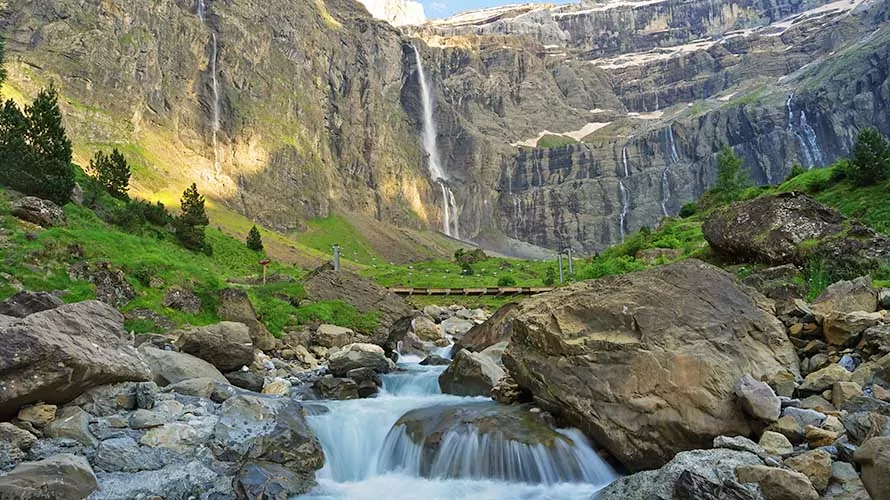
Low angle wide shot
Photograph the white water cascades flowing through the limestone debris and rugged boulders.
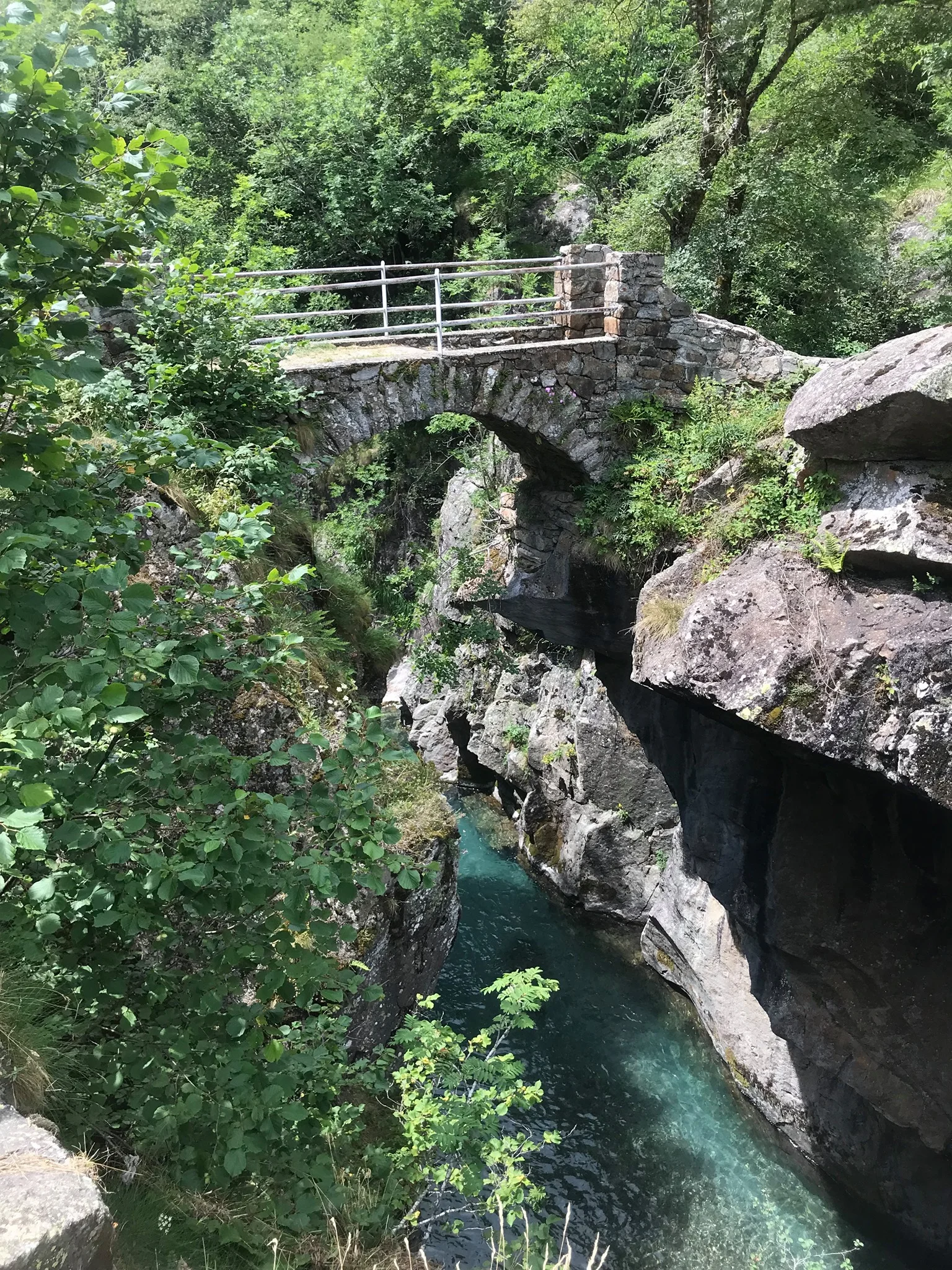
Use a polarizing filter
Document the unique karst window where the river disappears underground into a subterranean gallery.
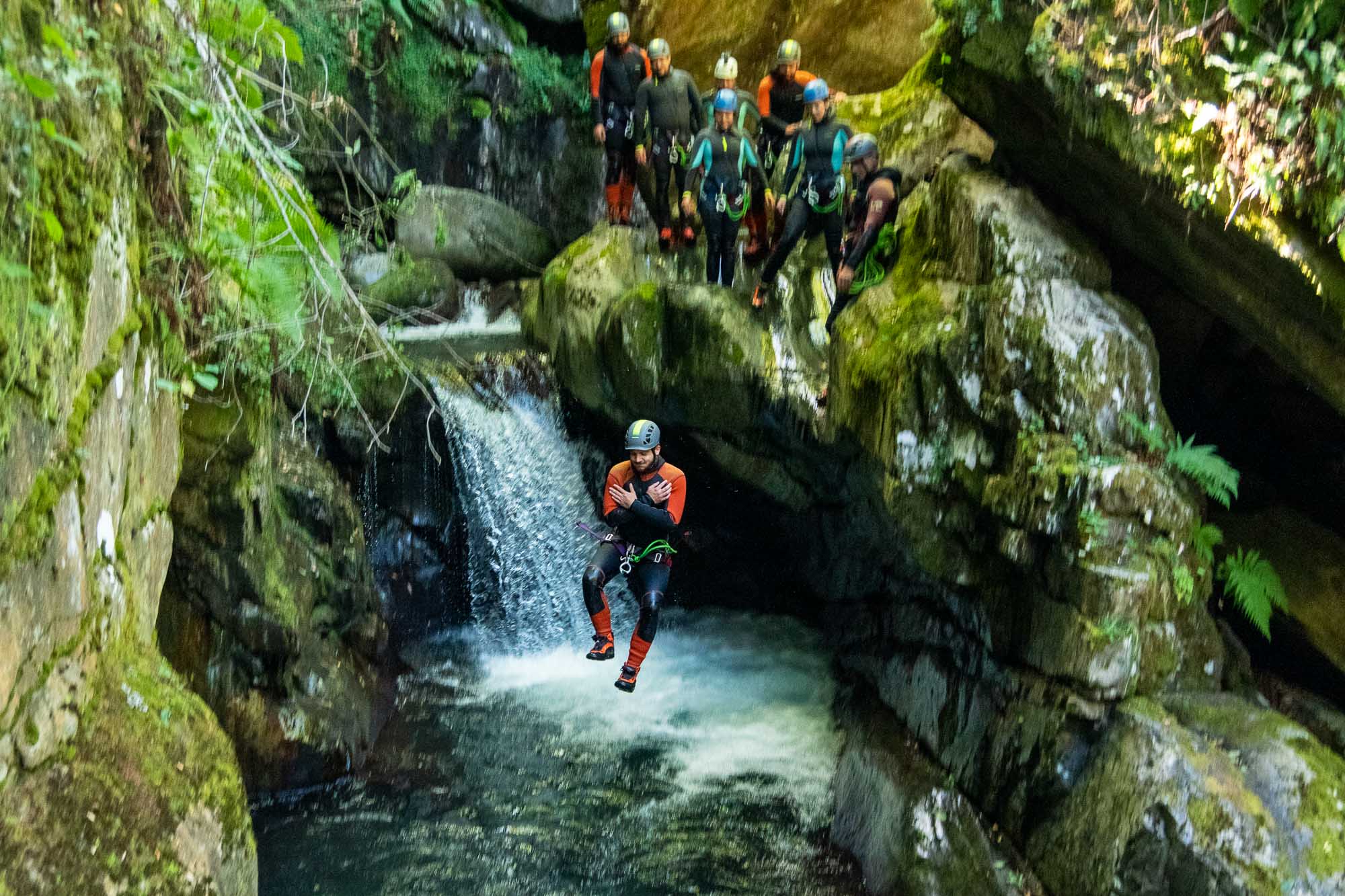
High contrast composition
Frame the narrow limestone passage that requires technical movement over the turquoise mountain water.
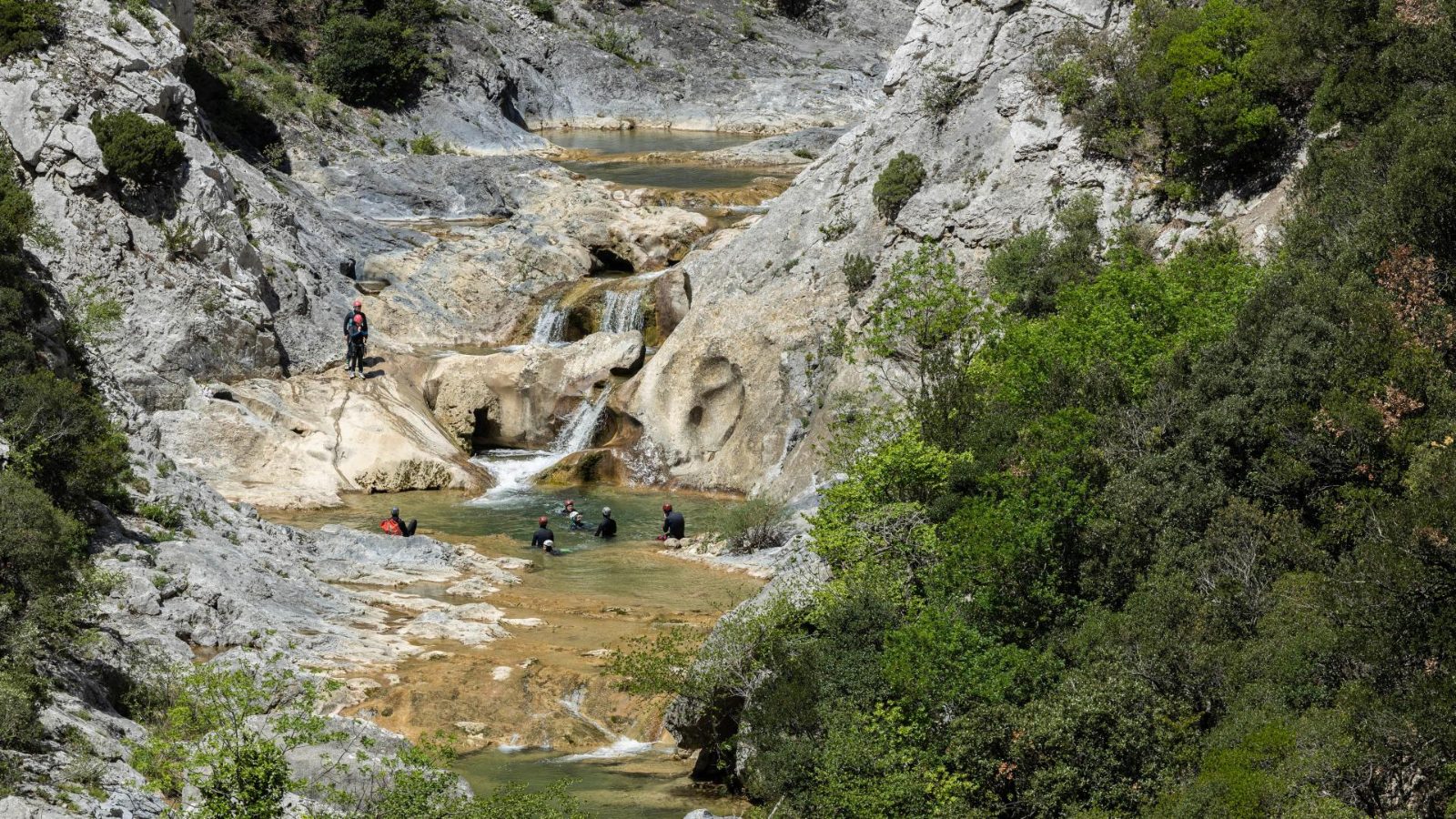
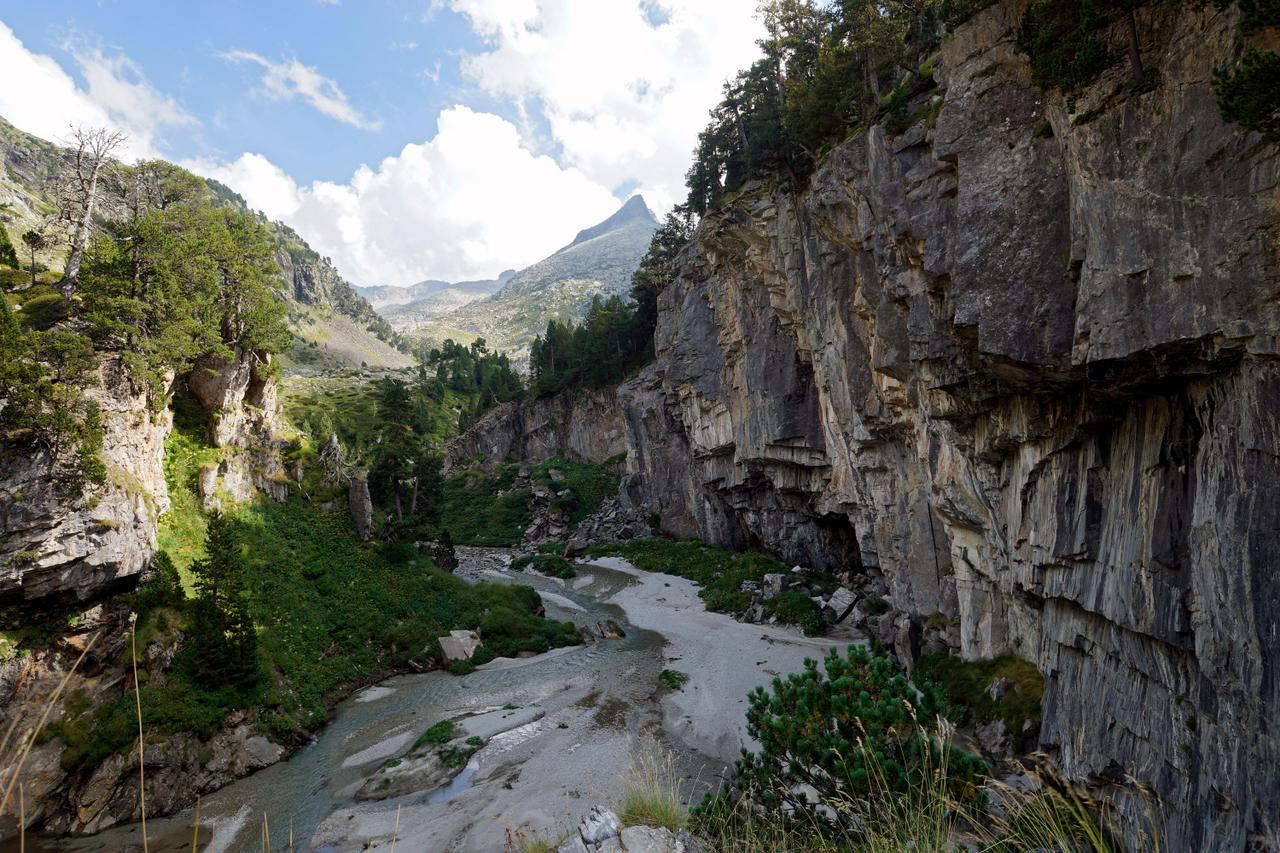
Macro rock texture detail
Capture the interplay of light on the smooth, polished rock faces at the exit of the gorge.
Access to natural canyons within the Pyrenees mountain range is free of charge. Costs for canyoning activities are associated exclusively with hiring professional guide services for safety and logistics.
Verdict: Visitors pay 0 EUR for canyon access, while total costs fluctuate based on the specific professional guide services selected.
Canyoning sites are located throughout the Pyrenees Mountain Range along the France/Spain border. Access typically requires driving via regional mountain roads or utilizing professional transport services to reach remote trailheads.
A64 motorway to Tarbes/Lannemezan then local routes
Regional lines to access major hubs like Argelès-Gazost
Local mountain trails from designated parking areas
For optimal navigation and safety, coordinate with professional guides who provide transport to specific canyon entrances. Plan to arrive between 09:00 and 12:00 to align with safer water levels and environmental conditions.
Canyoning photography in the Pyrenees demands specialized waterproof gear and careful logistical planning to navigate vertical terrain safely.
Everything you need to know about canyoning pyrénées photos
Access to natural canyons is free entry, meaning there is 0 EUR for entrance. However, professional guide services are required for those seeking to navigate these areas safely and require a fee.
The optimal lighting for photography and safer water levels occur during the best arrival window of 09:00–12:00. This timing helps avoid the typical afternoon storms that can impact the mountain environment.
While compact gear works for casual shots, high-quality canyoning pyrénées photos often require waterproof housing and durable camera gear to withstand wet conditions. Always ensure your equipment is secured to your person to avoid loss in the river currents.
The Pyrenees canyons are natural environments, so there are no official opening hours or visitor centers. You should plan your excursion according to seasonal conditions and daylight availability, as the area is effectively closed to unsupported access at all times.
The most secure method for capturing canyoning pyrénées photos is to hire a certified guide who understands water safety and rappelling techniques. Engaging a professional allows you to focus on the limestone walls and waterfalls while an expert manages the technical risks.
No specific permit is needed for amateur photography in the Pyrenees mountain range. You must ensure that you do not disturb the local flora or fauna while setting up your equipment in these protected outdoor spaces.
Canyoning in Pyrénées-Atlantiques
Read more GuideCanyoning in the Spanish Pyrenees
Read more Tickets & toursCanyoning in the Spanish Pyrenees
Read more Tickets & toursCanyoning in Pyrénées-Orientales
Read more Tickets & toursCanyoning in the French Pyrenees
Read more GuideCanyoning Pyrenees Prices & Booking Guide
Read more GuideCanyoning for Families in the Pyrenees
Read more