
English| EUR
Suggested for you
More currencies
Choose a language
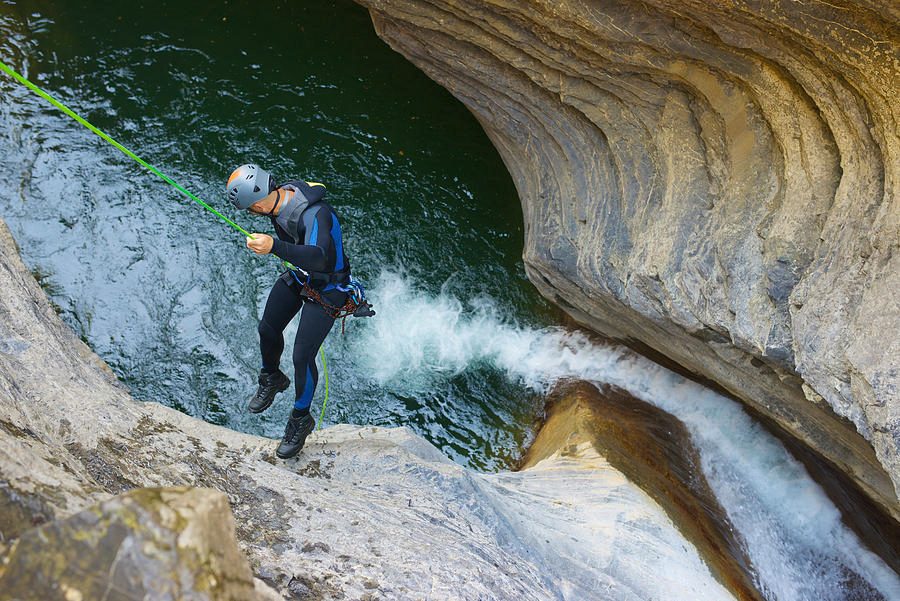
The Spanish Pyrenees hold some of Europe's most diverse canyon terrain, from walk-in gorges in the foothills to multi-pitch rappels through limestone slot systems that require rope work and swim proficiency. Natural access remains open year-round, but local regulations, weather patterns, and hydrological conditions determine when and where descent is safe.
Quick answer
Natural canyons across the Spanish Pyrenees are accessible twenty-four hours daily with no entrance fee, though specific zones in Aragon and Catalonia require advance permits during peak season. Most guided descents launch between eight and ten in the morning to complete technical sections before afternoon thunderstorms build over ridge lines, and winter access is limited by snowmelt flow rates that can render gorges impassable.
The limestone massifs of the Spanish Pyrenees drain through a vertical maze of slot canyons, polished chutes, and waterfall drops that have made the region a proving ground for European canyoneers since the sport's formalization in the nineteen-eighties. Unlike the French side, where access is tightly regulated, the Spanish provinces of Huesca, Lleida, and Navarra maintain a lighter permitting framework that prioritizes self-rescue competency over advance reservation systems. Sierra de Guara, the southernmost range, holds the highest concentration of technical descents. Its sub-Mediterranean microclimate produces stable summer conditions, but the karst geology creates flash-flood hazards during spring runoff and late-summer convective storms. Ordesa y Monte Perdido National Park to the north offers alpine canyons where snowmelt sustains flow through August, and where hypothermia risk remains present even in midsummer. The Catalan side, anchored by the Vall d'Aran and Aigüestortes sectors, features shorter but more continuous rappel sequences through granite rather than limestone. Canyoning pyrénées espagnoles demands route-specific preparation. Beginner-accessible gorges like Barranco de Mascún allow walk-through descents with minimal rope work, while technical systems such as Gorgonchón or Oscuros de Balces require multi-pitch rappelling, guided navigation, and the ability to execute emergency retreat in rising water. Permits are issued by municipal councils for protected zones, typically Ordesa and select Guara canyons, and are enforced through ranger checkpoints at trailheads during July and August. Outside these windows, access is unmonitored but weather-dependent. The infrastructure supporting descent activity has matured considerably. Huesca and Aínsa function as base towns with certified guide services, gear rental, and real-time hydrological bulletins. Most operators post canyon status updates daily during the May-to-September season, noting anchor conditions, flow rates, and recent rockfall. The regional government publishes a graded difficulty index that separates aquatic from vertical challenges, a distinction critical for selecting routes that match a party's skillset.
“The Spanish Pyrenees offer Europe's most permissive canyon access, but the terrain punishes parties that mistake open gates for easy descents.”
The most favorable period for canyoning in the Spanish Pyrenees spans from late spring to early autumn, specifically targeting the 08:00–10:00 arrival window to manage environmental risks. This early start is essential to avoid typical afternoon thunderstorm developments and to navigate technical descents during cooler morning temperatures.
Snowmelt creates higher water levels; 10–18°C.
Water flow is strongest during these months. Check local conditions frequently.
Stable but hot; 20–30°C.
Early morning starts are critical to mitigate heat. Afternoon thunderstorms are common.
Cooler air and water; 8–15°C.
Stable weather patterns often return. Water levels are generally lower and more predictable.
—
Arriving within this window avoids peak heat and reduces exposure to afternoon weather hazards.
Verdict: Plan your trip for June or September and prioritize an 08:00–10:00 arrival window to ensure optimal water levels and weather stability.
Access to natural canyons in the Spanish Pyrenees is free. However, certain protected zones may require official permits for entry.
Verdict: A typical visitor pays 0 EUR for access, though compliance with local permit regulations is required in restricted zones.
The canyoning zones of the Spanish Pyrenees are located across the regions of Aragon and Catalonia. Reaching these remote areas necessitates personal transport, as public infrastructure does not extend to most trailhead access points.
A-22 to Barbastro, then N-123 toward Ainsa
C-16 to Berga, then C-26/C-462 toward northern Catalonia
N-260 (Eje Pirenaico) connecting Huesca and Girona
Plan to arrive between 08:00 and 10:00 to ensure adequate time for your approach and to avoid afternoon thunderstorms or peak heat. Personal vehicles are required for accessing remote parking areas near canyon headwaters.
Spanish Pyrenean canyons demand technical gear and advance logistics—prepare properly to descend safely.
Everything you need to know about canyoning pyrénées espagnoles
Many routes are designed for beginners, though physical fitness and comfort in water are essential for a safe experience. You can explore various entry-level canyons that introduce you to rappelling and natural water slides without extreme technical demands.
The optimal arrival window for canyoning pyrénées espagnoles is between 08:00 and 10:00 to avoid peak heat and afternoon thunderstorms. Planning your descent early in the day ensures safer water conditions and more comfortable temperatures.
While access to natural areas is generally free, specific zones may require environmental permits for conservation purposes. It is recommended to check local regulations for the specific sector before heading out to your chosen descent.
Technical canyoning requires specific gear including a helmet, harness, wetsuit, and appropriate canyoning shoes with good grip. These items help ensure safety when navigating rocky terrain and cold water flows common in the region.
Age restrictions depend on the difficulty and duration of the chosen route, with some canyons welcoming older children and others requiring adult experience. Always confirm the specific requirements of a route before planning your trip to the Pyrenees.
Access to natural canyons is 0 EUR, although professional guides may charge for their services and technical equipment rental. Ensure you account for any necessary permits when budgeting for your adventure in the Spanish mountains.
To minimize risk, you should always consult professional weather forecasts specifically for high-altitude mountain zones before starting your descent. Arriving early in the morning is the most effective way to avoid the typical meteorological shifts that occur during the heat of the day.
Canyoning in Pyrénées-Atlantiques
Read more GuideCanyoning Pyrenees Photo Gallery
Read more Tickets & toursCanyoning in the Spanish Pyrenees
Read more Tickets & toursCanyoning in Pyrénées-Orientales
Read more Tickets & toursCanyoning in the French Pyrenees
Read more GuideCanyoning Pyrenees Prices & Booking Guide
Read more GuideCanyoning for Families in the Pyrenees
Read more